
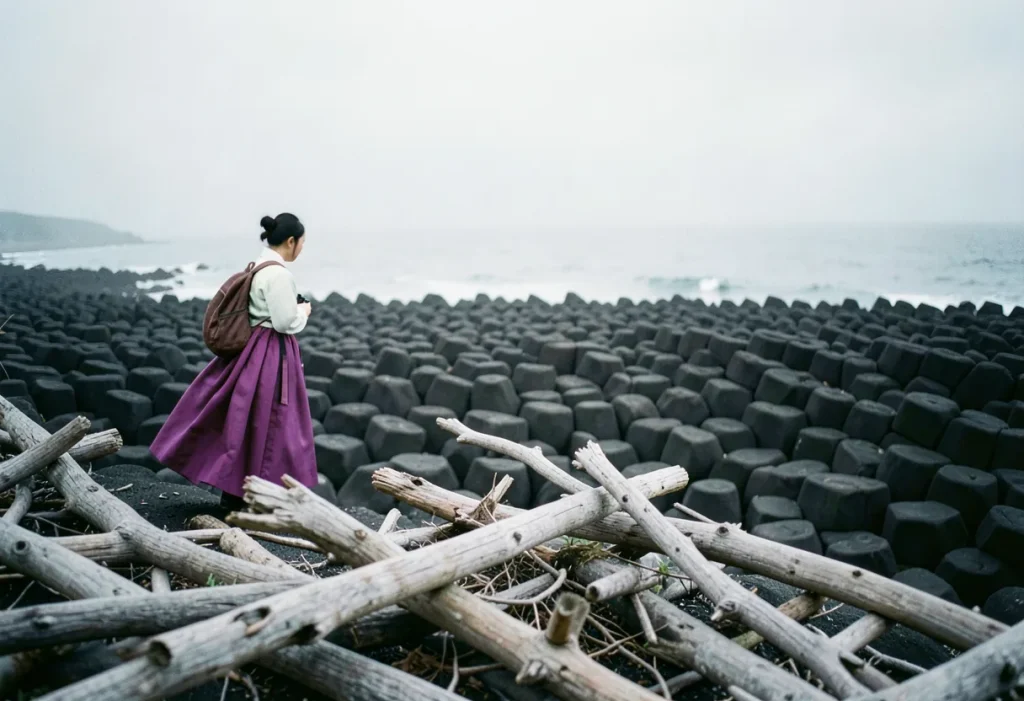
Seoul’s Gyeongbokgung Palace, built in 1395, offers a glimpse into Korea’s royal past. For nature lovers, Jeju Island’s Hallasan volcano and Seongsan Ilchulbong peak are must-sees. The coastal city of Busan, home to the world’s largest department store, Shinsegae Centum City, blends urban life with beaches.
South Korea travel destinations offer a unique blend of vibrant K-culture and breathtaking natural beauty, from the bustling streets of Seoul to the serene Jeju Island.
Think of South Korea as a dynamic stage where ancient traditions perform alongside cutting-edge technology, with landscapes that shift from futuristic cityscapes to lush mountains and volcanic islands.
Key facts
- South Korea covers an area of approximately 100,210 square kilometers (38,692 square miles).
- The country is home to 22 UNESCO World Heritage Sites, including historic palaces and natural reserves.
- Seoul, the capital, is one of the most technologically advanced cities in the world, with over 25 million residents in its metropolitan area.
- Jeju Island, a popular tourist destination, is a volcanic island known for its unique lava tubes and stunning waterfalls.
What makes South Korea a top travel destination?
South Korea’s allure lies in its ability to seamlessly merge the old with the new. The country’s rich history is evident in its numerous palaces, temples, and traditional markets, while its modern side is showcased in its skyscrapers, high-tech subways, and innovative cuisine.
The first time I really looked at the skyline of Seoul, I was struck by the contrast of the towering skyscrapers alongside the ancient fortress walls of the Gyeongbokgung Palace. This duality is what makes South Korea so fascinating. For example, the Bukchon Hanok Village in Seoul is a cluster of traditional Korean houses called hanoks, offering a glimpse into the country’s past, while the nearby Myeongdong district is a bustling shopping and dining hub, representing its modern vibrancy.
Moreover, South Korea’s natural beauty is equally captivating. The country is home to numerous national parks, scenic hiking trails, and stunning coastal views. Jeju Island, often referred to as the “Hawaii of Korea,” is a popular destination for its volcanic landscapes, beautiful beaches, and unique cultural heritage. The island’s Hallasan Mountain, a dormant volcano, is a UNESCO World Heritage Site and offers breathtaking views from its summit.
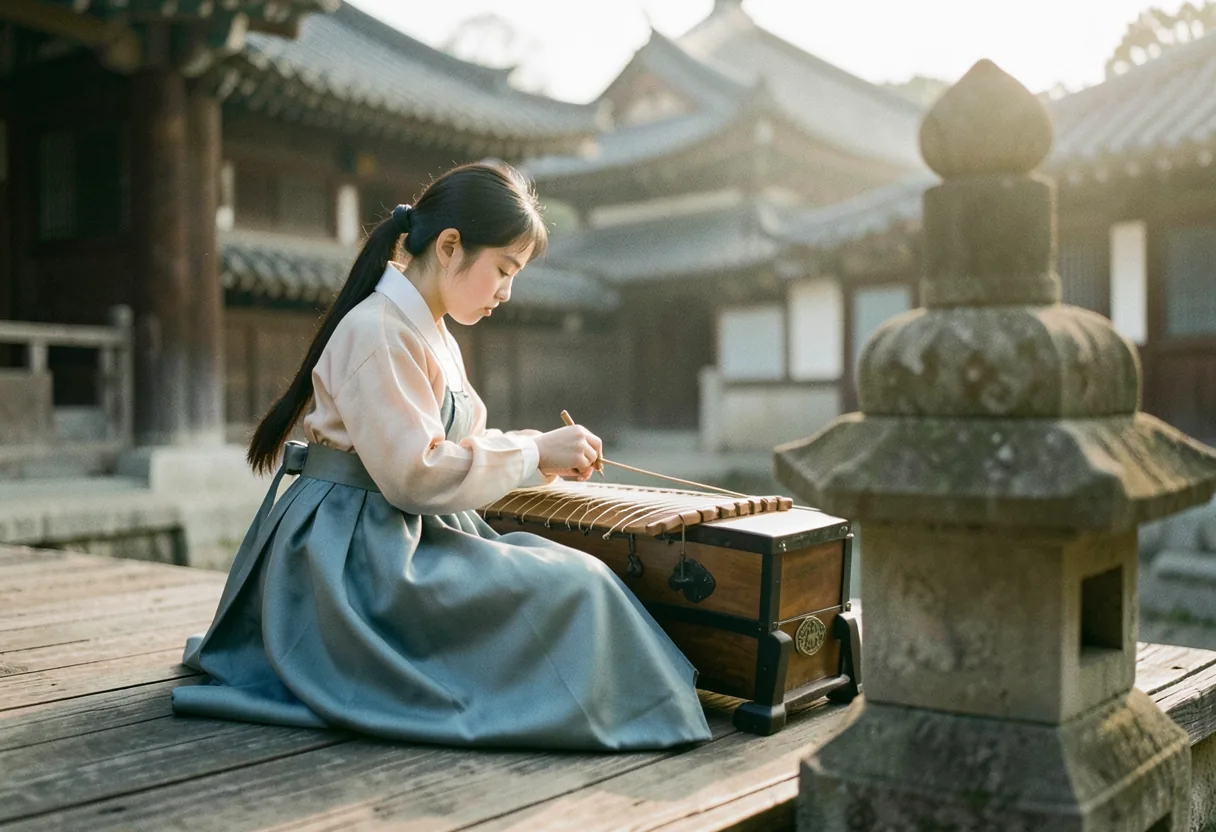
How to experience South Korea’s K-culture
South Korea’s K-culture, encompassing K-pop, K-dramas, and Korean cuisine, has gained global popularity in recent years. To immerse yourself in this vibrant culture, start with a visit to the birthplace of K-pop, Hongdae in Seoul. This neighborhood is known for its lively street performances, indie music scene, and trendy cafes.
For K-drama enthusiasts, a trip to the Korean Film Archive in Seoul is a must. Here, you can explore the history of Korean cinema and even watch classic films. Additionally, the historic sites of Seoul, such as the Gyeongbokgung Palace and the Changdeokgung Palace, have served as filming locations for popular K-dramas, offering a unique behind-the-scenes look.
Korean cuisine is another essential aspect of K-culture. From the spicy kimchi to the savory bulgogi, South Korea offers a diverse range of flavors. For an authentic dining experience, visit the Gwangjang Market in Seoul, one of the oldest and largest traditional markets in Korea. Here, you can sample a variety of street food, including bindaetteok (mung bean pancakes) and mayak gimbap (mini seaweed rice rolls).
Top South Korea travel destinations
South Korea offers a wide range of destinations to suit every traveler’s interest. Whether you’re seeking historical sites, natural wonders, or vibrant cities, there’s something for everyone. Here are some of the top South Korea travel destinations:
How to plan a trip to South Korea
Planning a trip to South Korea involves considering your interests, budget, and travel style. Here are some steps to help you organize your journey:
- Research the best time to visit. South Korea has four distinct seasons, each offering unique experiences. Spring (March to May) and autumn (September to November) are popular for their pleasant weather and beautiful scenery.
- Choose your destinations. Based on your interests, select the cities and attractions you want to visit. Consider using a travel guide or online resources for recommendations.
- Create an itinerary. Plan your daily activities, including transportation, meals, and sightseeing. Be sure to allocate enough time for each destination and allow for some flexibility.
- Book accommodations. South Korea offers a variety of lodging options, from luxury hotels to budget-friendly guesthouses. Popular areas to stay include Myeongdong and Hongdae in Seoul, and Haeundae in Busan.
- Arrange transportation. South Korea has an efficient public transportation system, including buses, subways, and trains. Consider purchasing a T-money card for easy payments. For longer distances, the KTX (Korea Train Express) is a convenient and fast option.
- Learn basic Korean phrases. While many people in South Korea speak English, learning a few basic Korean phrases can enhance your travel experience and help you connect with locals. Phrases like “annyeonghaseyo” (hello) and “gamsahamnida” (thank you) are a good start.
South Korea travel tips
To make the most of your trip to South Korea, here are some travel tips to keep in mind:
- Respect local customs and etiquette. South Korea has a rich cultural heritage, and it’s important to be mindful of local customs. For example, it’s customary to remove your shoes when entering someone’s home or certain traditional restaurants.
- Use public transportation. South Korea’s public transportation system is efficient, affordable, and easy to use. Familiarize yourself with the subway maps and bus routes to get around like a local.
- Try local street food. South Korean street food is delicious and often budget-friendly. Don’t be afraid to sample a variety of dishes, from tteokbokki (spicy rice cakes) to hotteok (sweet Korean pancakes).
- Visit during festivals. South Korea hosts numerous festivals throughout the year, celebrating everything from cherry blossoms to lanterns. Participating in these festivals can provide a unique and memorable experience.
- Stay connected. Purchase a local SIM card or use a portable Wi-Fi device to stay connected during your trip. Many cafes and restaurants also offer free Wi-Fi.
Exploring South Korea’s UNESCO World Heritage Sites
South Korea is home to 22 UNESCO World Heritage Sites, each offering a unique glimpse into the country’s rich history and cultural heritage. These sites include ancient palaces, temples, and natural reserves, showcasing the diverse aspects of South Korea’s past and present.
One of the most famous UNESCO World Heritage Sites in South Korea is the historic palaces of Seoul. The Gyeongbokgung Palace, built in 1395, is the largest of the Five Grand Palaces and served as the main royal palace of the Joseon dynasty. Its grand architecture and beautiful gardens offer a glimpse into the royal life of ancient Korea. Another notable palace is the Changdeokgung Palace, known for its stunning rear garden, which is a UNESCO World Heritage Site in its own right.
Beyond the palaces, South Korea’s natural wonders also hold UNESCO World Heritage status. The Jeju Volcanic Island and Lava Tubes, for example, are a unique geological site that showcases the volcanic activity that shaped the island. The lava tubes, including the famous Manjanggul Cave, offer a fascinating underground exploration experience. Additionally, the Seokguram Grotto and Bulguksa Temple in Gyeongju are renowned for their exquisite Buddhist art and architecture, reflecting the deep spiritual heritage of Korea.
For those interested in traditional Korean villages, the Hahoe Folk Village in Andong is a must-visit. This village, with its traditional hanok houses and masquerade festival, offers a unique cultural experience. The village is known for its well-preserved architecture and traditional performances, providing visitors with an immersive look into Korea’s folk culture.
Where to learn more about South Korea travel destinations
For more information on South Korea travel destinations, consider exploring the official tourism website of the Korea Tourism Organization (). This resource offers comprehensive guides, itineraries, and updates on events and festivals. Additionally, travel blogs and forums can provide valuable insights and tips from fellow travelers.
If you’re interested in delving deeper into K-culture, the National Museum of Korea in Seoul offers a rich collection of artifacts and exhibits showcasing the country’s history and heritage. For those eager to experience traditional Korean crafts, the Korean Folk Village in Yongin provides hands-on workshops and cultural performances.
South Korea travel destinations offer a unique blend of cultural experiences and natural beauty. By planning your trip carefully and immersing yourself in the local culture, you can create unforgettable memories and gain a deeper appreciation for this fascinating country.
Frequently asked questions
What makes Busan's Haeundae Beach a must-visit?
Haeundae Beach stretches 1.8 kilometers and is famous for its vibrant summer festivals and the iconic Dalmaji-gil street, lined with cafes and souvenir shops. The beach's sandy shores and clear waters attract both locals and tourists, especially during the annual Busan International Fireworks Festival held in October.
Why is Jeonju known as the heart of Korean traditional culture?
Jeonju's Hanok Village houses over 800 traditional Korean houses, or hanoks. Visitors can experience traditional tea ceremonies, wear hanbok (traditional Korean clothing), and explore the Jeondong Catholic Church, a historic site from the late 19th century. The city is also famous for its bibimbap, a signature Korean dish.
What unique experiences does Seoraksan National Park offer?
Seoraksan National Park, established in 1982, is home to over 1,600 plant species and 2,000 animal species. Visitors can hike to the Sinheungsa Temple, which houses a 33-meter-tall bronze statue of the Buddha, or take the cable car to Gwongeumseong Fortress for panoramic views of the park's rugged peaks.
How does Gyeongju showcase both natural and cultural heritage?
Gyeongju, often called the 'museum without walls,' features the Bulguksa Temple and Seokguram Grotto, both UNESCO World Heritage Sites. The temple, built in 774 AD, is a masterpiece of Buddhist art, while the nearby Anapji Pond offers serene evening views with illuminated traditional pavilions.