
Kyoto’s Fushimi Inari Shrine, famous for its thousands of red torii gates, is a must-visit. For nature lovers, Hakone offers hot springs and views of Mt. Fuji. Foodies should explore Osaka’s Dotonbori for takoyaki and okonomiyaki.
The best travel destinations in Japan offer a seamless blend of ancient traditions and cutting-edge modernity, where centuries-old temples stand alongside neon-lit skyscrapers.
Think of Japan as a meticulously crafted sushi platter: each piece is distinct, sweet, tangy, or umami, but together they create a harmonious experience that’s greater than the sum of its parts.
Key facts
- Japan’s four distinct seasons offer unique travel experiences, from cherry blossoms in spring to snow festivals in winter.
- The country boasts 24 UNESCO World Heritage Sites, including historic temples and natural wonders.
- Japan’s public transportation is renowned for its punctuality, with the Shinkansen (bullet train) reaching speeds of up to 320 km/h (200 mph).
- The 2020 Tokyo Olympics left behind modernized infrastructure and venues, making the city even more traveler-friendly.
Key destinations
Kyoto: The soul of Japan
Kyoto is Japan’s cultural heart, where geisha still glide through the Gion district and bamboo forests whisper secrets older than most civilizations. The city’s 1,600 temples and shrines make it a magnet for those seeking spiritual solace. However, its popularity means crowds can be overwhelming during peak seasons like cherry blossom time.
The first time I really looked at Kyoto’s Fushimi Inari Shrine, the thousands of vermilion torii gates created a surreal tunnel that felt like stepping into a Miyazaki film. For travelers who prioritize history and aesthetics over nightlife, Kyoto is unparalleled. Just be prepared to book accommodations and popular temple visits months in advance.
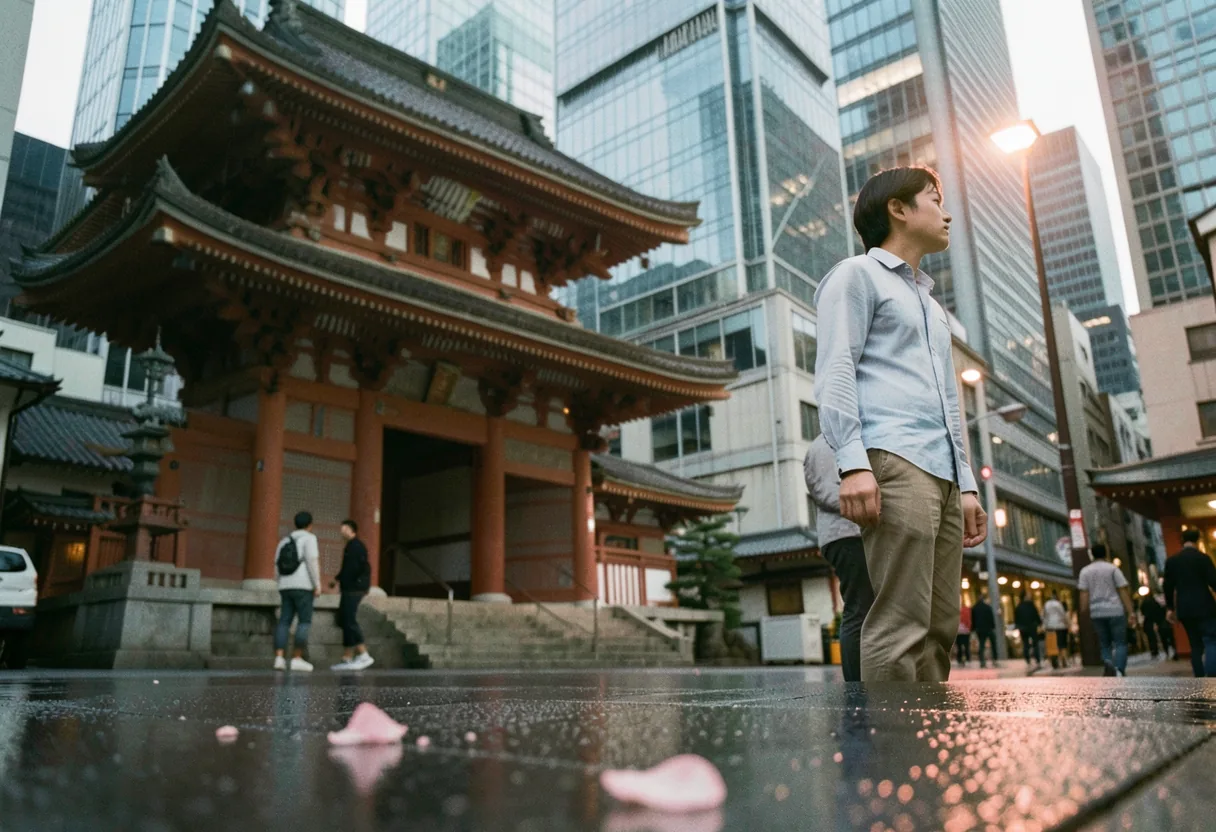
Tokyo: Neon dreams and ancient shrines
Tokyo is a city of contradictions, a place where you can bow at a Shinto shrine in the morning and shop for cutting-edge gadgets in Akihabara by afternoon. The 2020 Olympics left a legacy of sleek stadiums and improved accessibility, making it easier to explore neighborhoods like Shibuya and Shinjuku. The downside? Tokyo’s pace can be relentless, and its cost of living is the highest in Japan.
For first-time visitors, Tokyo offers an overwhelming but exhilarating introduction to Japan. The city’s efficiency is legendary, from the spotless subway system to the convenience stores (konbini) that operate 24/7. If you’re looking for a mix of traditional and ultra-modern experiences, Tokyo delivers, but it’s not the place for those seeking tranquility.
Osaka: Street food and historic castles
Osaka is where Japan’s culinary soul meets its playful side. The city’s street food scene is legendary, with Dotonbori’s neon signs advertising takoyaki (octopus balls) and kushikatsu (deep-fried skewers). Osaka Castle, a symbol of the city’s feudal past, stands in stark contrast to the futuristic attractions at Universal Studios Japan. The drawback? Osaka can feel less polished than Kyoto or Tokyo, with a more chaotic energy.
Families and food lovers will find Osaka particularly rewarding. The city’s Osaka Aquarium Kaiyukan, one of the largest in the world, is a hit with children, while adults can indulge in the vibrant nightlife of Namba. For those who prefer a more laid-back vibe than Tokyo but still want plenty of excitement, Osaka is ideal.
Hiroshima: A poignant journey
Hiroshima’s story is one of resilience, with the Peace Memorial Park and Museum serving as powerful reminders of the city’s past. The nearby island of Miyajima, home to the Itsukushima Shrine, offers a serene escape with its famous floating torii gate. However, Hiroshima’s smaller size means it lacks the diversity of larger cities like Tokyo or Osaka.
War history enthusiasts and those seeking a deeper understanding of Japan’s 20th-century struggles will find Hiroshima profoundly moving. The city’s reconstruction is a testament to human perseverance, and its modern infrastructure makes it easy to explore. If you’re looking for a destination that combines reflection with natural beauty, Hiroshima is a must-visit.
Hakone: Onsen bliss
Hakone is Japan’s ultimate relaxation destination, known for its hot springs (onsen) and views of Mt. Fuji. The Open-Air Museum is a unique blend of art and nature, while modern ryokan offer high-tech baths with traditional ambiance. The downside? Hakone’s popularity means prices can be steep, especially during peak seasons.
Couples and travelers seeking relaxation will adore Hakone. The area’s natural beauty is unparalleled, with scenic views accessible via the Hakone Ropeway or a boat ride on Lake Ashi. For those looking to unwind after exploring bustling cities, Hakone provides the perfect retreat.
Best travel destinations in Japan for food lovers
Japan is a paradise for food lovers, with each destination offering unique culinary experiences. In Kyoto, don’t miss the kaiseki ryori, a traditional multi-course meal that showcases seasonal ingredients. Tokyo’s Tsukiji Fish Market is a must-visit for fresh sushi, while Osaka’s street food scene is a playground for adventurous eaters.
Hiroshima is famous for its Hiroshima-style okonomiyaki, a savory pancake filled with noodles and cabbage. For a more modern twist, Tokyo’s Michelin-starred restaurants offer innovative dishes that blend tradition with contemporary techniques. Whether you’re a foodie or just looking to try something new, Japan’s diverse cuisine will leave you satisfied.
How to choose
- Prioritize history: Kyoto and Hiroshima are your best bets.
- Seek modern excitement: Tokyo and Osaka offer the most dynamic urban experiences.
- Crave relaxation: Hakone’s hot springs and natural beauty are unmatched.
- Travel with family: Osaka’s attractions and Hiroshima’s educational sites are ideal.
- Budget considerations: Tokyo and Hakone tend to be the most expensive, while Osaka offers good value.
For a deeper dive into Japan’s cultural richness, consider visiting during a traditional festival like the Gion Matsuri in Kyoto or the Sapporo Snow Festival. These events offer an immersive experience that goes beyond typical sightseeing.
If you’re planning a trip to Japan, start by identifying your travel priorities. Are you drawn to the quiet elegance of Kyoto’s temples, the neon lights of Tokyo’s streets, or the culinary delights of Osaka? Once you’ve narrowed down your interests, use this guide to craft an itinerary that balances tradition and modernity.
For a deeper understanding of Japan’s cultural heritage, explore the work of renowned author Haruki Murakami or visit the Mori Art Museum in Tokyo for contemporary perspectives. And if you’re looking to compare Japan with other destinations, check out our guides to Travel Destinations in Mexico: Beaches, Culture, and Cuisine, Best Travel Destinations in Greece: Islands and Ancient Wonders, and South Korea Travel Destinations: K-Culture and Natural Beauty.
Pack your bags with layers, Japan’s weather can be unpredictable, and don’t forget a portable Wi-Fi device or SIM card to stay connected. Whether you’re sipping matcha in a Kyoto tea house or marveling at the robotic diners in Tokyo, Japan’s best travel destinations promise an unforgettable journey.
Pro tip: Learn a few basic Japanese phrases. While many signs are in English, a simple “arigato” (thank you) can go a long way in showing respect for the culture.
Frequently asked questions
What makes Kyoto stand out among Japan's travel destinations?
Kyoto's 1,600 Buddhist temples and 400 Shinto shrines, like the iconic Fushimi Inari with its 10,000 vermilion torii gates, offer a deep dive into tradition. Yet, the city also hosts modern art at the Kyoto International Manga Museum, blending history with contemporary culture seamlessly.
How does Tokyo balance its ultra-modern side with traditional elements?
Tokyo's Shibuya Crossing, the world's busiest pedestrian crossing, contrasts sharply with the serene Meiji Shrine nearby. The city's 2020 Olympics showcased its modern infrastructure, while neighborhoods like Asakusa preserve Edo-era charm with traditional shops and the Senso-ji temple.
What unique experience does Hakone offer to travelers?
Hakone, near Mount Fuji, is famous for its onsen (hot springs) resorts, like Hakone Yuryo, where you can bathe in open-air pools with views of the mountain. The Hakone Open-Air Museum combines art with nature, featuring works by Picasso and Henry Moore amidst scenic landscapes.
Why is Osaka considered a food lover's paradise?
Osaka's Dotonbori district is a neon-lit hub for street food, with over 2,000 eateries serving local specialties like takoyaki (octopus balls) and okonomiyaki (savory pancakes). The Kuromon Ichiba Market offers fresh seafood, including famed Kani Doraku's crab legs, making it a must-visit for foodies.