

Europe offers diverse travel destinations for every interest. Explore Paris’s 1889 Eiffel Tower, Rome’s 73 AD Colosseum, or Barcelona’s 1882 Sagrada Familia. Hike Norway’s 2,469m Trolltunga cliff or relax on Greece’s Santorini beaches. Sample Italy’s pasta, Spain’s tapas, or France’s croissants. Visit museums like the Louvre or the British Museum.
Travel destinations in Europe
Travel destinations in Europe offer a rich tapestry of history, culture, and natural beauty, from the ancient ruins of Rome to the fjords of Norway.
Think of Europe as a vast museum where each country is a different exhibit, offering unique artifacts, stories, and landscapes that span millennia.
Key facts
- Europe is the world’s second-smallest continent by surface area, but it’s home to over 740 million people and dozens of distinct cultures.
- The continent is traversed by the Ural Mountains in the east, the Arctic Ocean in the north, and the Mediterranean Sea in the south.
- Europe has 44 sovereign states, more than any other continent.
- It is the most visited continent globally, with over 700 million international tourist arrivals annually.
What makes travel destinations in Europe unique?
Europe’s diversity is its most striking feature. From the Nordic countries’ stark landscapes and Viking history to the Mediterranean’s sun-drenched coasts and ancient civilizations, each region offers something distinctly different. The continent’s compact size makes it possible to experience a wide range of cultures, languages, and environments in a relatively short space of time.
The first time I really looked at Europe’s geography, I was struck by how the Danube River cuts through ten countries, offering a fascinating journey through Central and Eastern Europe’s history and culture. This kind of connectivity is typical of Europe, where borders are often fluid, and influences intersect.
Europe is also home to some of the world’s most iconic art and architecture. From the Renaissance masterpieces of Florence, Italy, to the Impressionist works of Paris, France, the continent is a treasure trove for art lovers. Architecturally, Europe offers a mix of Gothic cathedrals, Baroque palaces, and modern marvels like the in Paris.
Iconic travel destinations in Europe you can’t miss
Paris, France, is a perennial favorite, with its iconic Eiffel Tower, world-class museums like the Louvre, and charming arrondissements. But don’t overlook lesser-known gems like Lyon, France’s gastronomic capital, where you can explore the Travel Destinations in Mexico: Beaches, Culture, and Cuisine of bouchons, traditional eateries serving hearty regional dishes.
For history buffs, Rome, Italy, is a treasure trove of ancient ruins, including the Colosseum and the Roman Forum. The Colosseum, completed in 80 AD, is the largest amphitheater ever built and could hold an estimated 50,000 to 80,000 spectators. Meanwhile, the Best Travel Destinations in Greece: Islands and Ancient Wonders of Athens offers the Acropolis and Parthenon, symbols of classical civilization. The Parthenon, dedicated in 438 BC, is a former temple on the Athenian Acropolis dedicated to the goddess Athena, whom the people of Athens considered their patron.
Norway’s fjords, such as Geirangerfjord and Nærøyfjord, are natural wonders carved by glaciers, offering breathtaking scenery and outdoor activities like hiking and kayaking. Geirangerfjord, a UNESCO World Heritage site, is known for its stunning waterfalls, including the Seven Sisters and the Suitor.
In Eastern Europe, Prague, Czech Republic, is known as the “City of a Hundred Spires” for its many beautiful churches and cathedrals. The Charles Bridge, a historic bridge that crosses the Vltava river, is lined with statues of saints and is a popular spot for tourists and locals alike.
Planning your European adventure: tips and tricks
Europe’s extensive rail network makes it easy to travel between countries. The Eurail Pass, for example, allows unlimited train travel in up to 33 countries, offering flexibility and convenience. High-speed trains like the in France and the in Italy make travel between major cities efficient and comfortable.
Consider the time of year for your visit. Summer is peak tourist season, with long days and warm weather, but also larger crowds. Spring and fall offer milder temperatures and fewer tourists, while winter brings Christmas markets and skiing opportunities. For example, the Christmas markets in Strasbourg, France, date back to 1570 and are a beloved holiday tradition.
Budget wisely. Western and Northern Europe tend to be more expensive, while Eastern Europe offers great value for money. Accommodation options range from budget hostels to luxury hotels, and regional cuisine is often affordable and delicious. In cities like Budapest, Hungary, you can find thermal baths that offer a unique and relaxing experience at a reasonable price.
Learn some basic phrases in the local language. While many Europeans speak English, making an effort to communicate in the local language can enhance your experience and show respect for the culture. For instance, learning a few phrases in Italian can be helpful when visiting Rome, as not all locals may be fluent in English.
Europe’s hidden gems: off-the-beaten-path destinations
Beyond the well-trodden paths, Europe has many hidden gems. Slovenia’s Lake Bled, with its fairytale island church and cliffside castle, is a stunning alternative to more popular lakes. The island church, dedicated to the Assumption of Mary, dates back to the 11th century and is a popular spot for weddings.
The Azores, a Portuguese archipelago in the Atlantic Ocean, offer volcanic landscapes, hot springs, and whale watching. The archipelago consists of nine islands, each with its unique charm. For example, São Miguel Island is known for its lush greenery and the stunning Furnas Lake, where you can try the traditional dish cozido das Furnas, cooked underground using geothermal heat.
The Faroe Islands, an autonomous territory of Denmark, provide dramatic cliffs, waterfalls, and a unique Viking heritage. The islands are home to a variety of seabirds, including puffins, and offer stunning landscapes like the Múlafossur waterfall, which is often featured in travel guides for its picturesque setting.
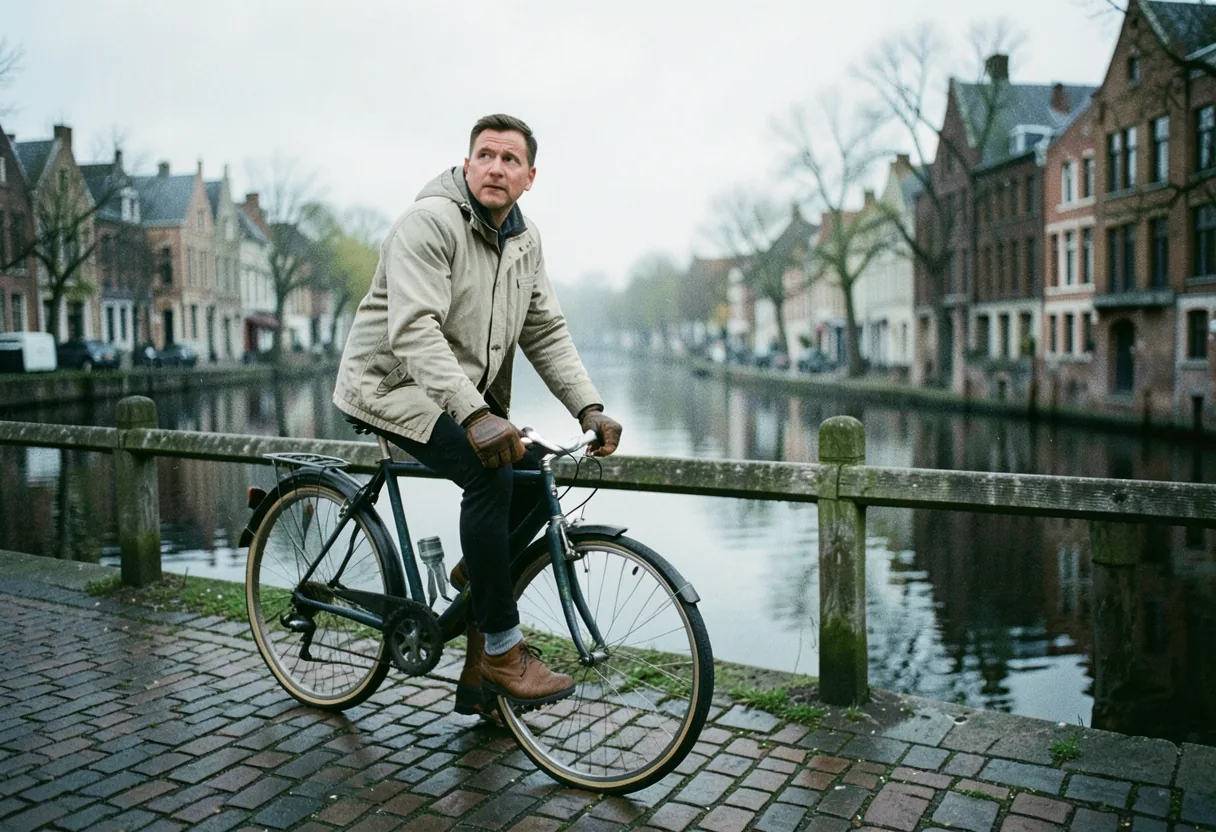
For a taste of Europe’s medieval past, visit Bruges, Belgium, with its cobbled streets, canals, and well-preserved architecture. The city’s historic center is a UNESCO World Heritage site and is known for its charming market squares, such as the Markt, and the stunning Belfry of Bruges, which offers panoramic views of the city.
Or explore the Best Travel Destinations in Japan: Tradition Meets Modernity of Tbilisi, Georgia, a city that blends European and Asian influences. Tbilisi’s Old Town is a labyrinth of narrow streets, colorful houses, and historic churches, such as the Metekhi Church, which dates back to the 13th century. The city is also known for its vibrant food scene, offering traditional Georgian dishes like khachapuri and khinkali.
Cultural experiences not to be missed
Europe is home to countless festivals and events. The Running of the Bulls in Pamplona, Spain, is a thrilling (if dangerous) tradition dating back to the 14th century. The festival, known as San Fermín, takes place annually from July 6th to 14th and attracts thousands of visitors from around the world.
Meanwhile, the Venice Carnival in Italy is a spectacular display of masks, costumes, and artistry. The carnival dates back to the 12th century and is known for its elaborate masks, such as the Bauta and Moretta, which were used to conceal the wearer’s identity and social status.
Food and drink are central to European culture. Indulge in tapas in Spain, enjoy a fondue in Switzerland, or savor a traditional Italian pasta dish like spaghetti alla carbonara. The dish, which originated in Rome, is made with eggs, hard cheese, pancetta, and black pepper. Don’t forget to sample local wines, beers, and spirits, from French Bordeaux to Belgian Trappist ales. For example, the Trappist brewery of Westvleteren in Belgium is known for producing some of the world’s best beers, including the Westvleteren 12, which is often ranked as the best beer in the world.
Music and dance are also important aspects of European culture. Attend a classical concert in Vienna, Austria, or a traditional flamenco show in Seville, Spain. The Vienna State Opera, one of the world’s leading opera houses, offers a rich program of opera, ballet, and concerts. Meanwhile, flamenco, a traditional Spanish art form, combines music, dance, and song and is recognized by UNESCO as an Intangible Cultural Heritage.
Sustainable travel in Europe
Many European destinations are committed to sustainable tourism. Cities like Copenhagen, Denmark, are leading the way in eco-friendly initiatives, from bike-friendly infrastructure to green energy solutions. Copenhagen aims to become the world’s first carbon-neutral capital by 2025, and the city is home to numerous bike lanes and bike-sharing programs, making it easy for residents and visitors to cycle around the city.
Consider traveling off-season to reduce crowding and environmental impact. Choose eco-friendly accommodations and support local businesses that prioritize sustainability. For example, the in Amsterdam is certified by the Green Key eco-label and offers a range of sustainable practices, such as energy-efficient lighting and water-saving measures.
When exploring natural sites, follow the principles of Leave No Trace, which include packing out all trash, minimizing campfire impact, and respecting wildlife. For instance, when visiting the Plitvice Lakes National Park in Croatia, follow the designated trails and boardwalks to protect the delicate ecosystem and preserve the park’s natural beauty.
Additionally, consider offsetting your carbon emissions by supporting carbon offset programs. Many airlines and travel companies offer the option to purchase carbon offsets, which fund projects that reduce or remove greenhouse gas emissions, such as reforestation or renewable energy projects.
To get started planning your European adventure, check out resources like the European Union’s official travel portal, which offers tips, tools, and inspiration for exploring the continent.
Start with a list: prioritize the experiences that matter most to you, whether it’s exploring ancient ruins, indulging in local cuisine, or simply soaking in the atmosphere of a new city. Use this list to guide your research and planning, ensuring that your European adventure is tailored to your interests and desires.
Consider your travel style: are you a backpacker looking for budget-friendly options, or a luxury traveler seeking high-end experiences? Knowing your travel style can help you narrow down your choices and find the best destinations and accommodations for your trip.
Research visa requirements: depending on your nationality, you may need a visa to enter certain European countries. Be sure to research visa requirements well in advance of your trip to avoid any last-minute complications.
Plan your itinerary: once you have a list of must-see destinations, create an itinerary that allows you to see and do everything you want without feeling rushed. Be sure to include time for rest and relaxation, as well as spontaneous exploration.
Book accommodations: whether you prefer hotels, hostels, or vacation rentals, be sure to book your accommodations in advance, especially during peak travel seasons. Consider staying in centrally located accommodations to make it easy to explore the city.
Pack smart: research the weather and cultural norms of the destinations you’ll be visiting, and pack accordingly. Don’t forget essentials like comfortable walking shoes, a reusable water bottle, and a portable charger for your electronics.
Stay safe: familiarize yourself with local laws and customs, and take precautions to protect yourself and your belongings. Consider purchasing travel insurance to protect against unexpected events like trip cancellations or medical emergencies.
Embrace the journey: remember that travel is about more than just checking off a list of must-see attractions. Embrace the unexpected, engage with locals, and create memories that will last a lifetime.
Frequently asked questions
What makes Barcelona a must-visit destination?
Barcelona's unique blend of modernist architecture, like Gaudí's Sagrada Família (construction started in 1882), and vibrant street life sets it apart. The city's beaches, such as Barceloneta, and the historic Gothic Quarter offer diverse experiences. Don't miss the Picasso Museum, housing over 4,000 works.
Why should I visit the Plitvice Lakes National Park in Croatia?
Established in 1949, Plitvice Lakes features 16 terraced lakes with cascading waterfalls, all connected by wooden walkways. The park's diverse ecosystems, from forests to caves, make it a UNESCO World Heritage site since 1979. Visit in spring or fall to avoid peak crowds.
What is special about the Amalfi Coast in Italy?
The Amalfi Coast stretches 50 kilometers along southern Italy's Sorrentine Peninsula. Towns like Positano, with its pastel-colored houses, and Ravello, known for its luxurious villas, offer stunning views. The coastal path, Sentiero degli Dei, provides breathtaking hikes with sea vistas.
How is Reykjavik, Iceland, unique among European capitals?
Reykjavik is the world's northernmost capital, founded in 1786. It's close to natural wonders like the Blue Lagoon and the Golden Circle route, which includes Geysir geothermal area. The city's cultural scene thrives with events like the Reykjavik Arts Festival, held annually since 1974.